

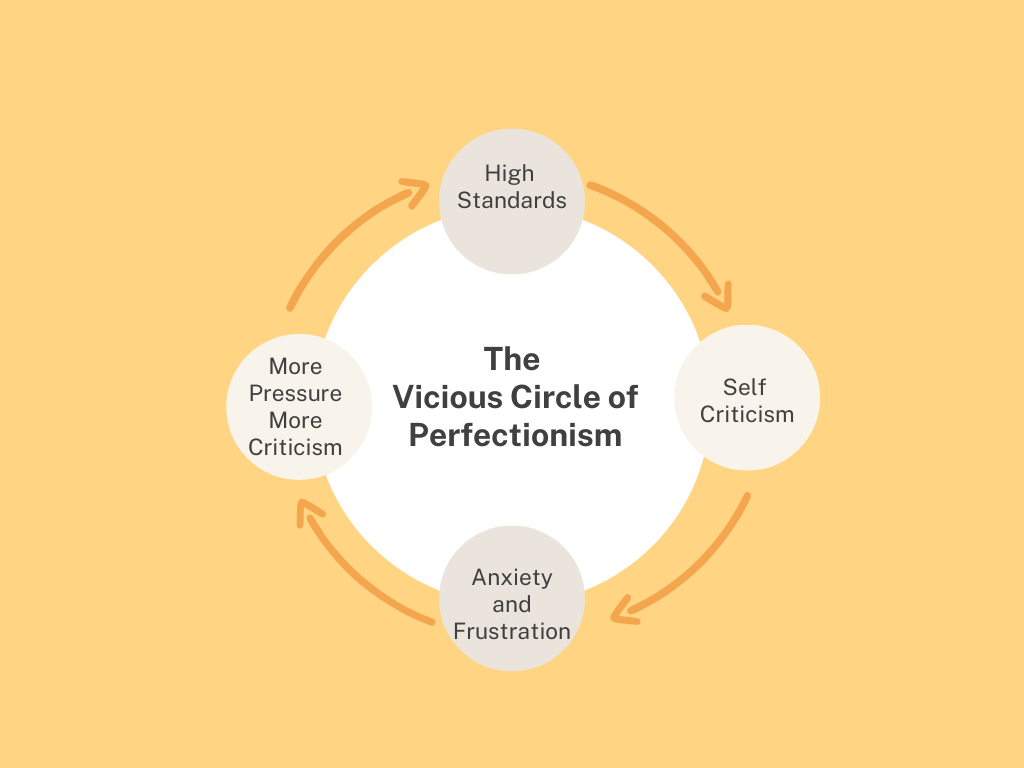
There’s a constant voice in my head, whispering: You’re not doing it right. YOU ARE NOT DOING IT RIGHT. Despite therapy and all my efforts to figure things out, that voice remains. Every time I fall short, it grows louder. I know the drill by now—I’m not supposed to speak to myself this way. I’m supposed to recognize these self-defeating thoughts, the ones that stop me from taking risks, delivering work, communicating honestly, or trying new things. I know I’m supposed to sit with these feelings, acknowledge them, and let them go. I’m supposed to build emotional stamina.
But then again. Why am I not learning fast enough? Why do I struggle to pick up my bachata steps while everyone else seems to glide effortlessly? Is something wrong with my perception? I push myself harder, convinced I need to step up.
I didn’t eat much today, or healthy, I didn’t have too much protein, I didn’t have time or excitement to exercise either. I wonder if I want to go out with some friends from work or I should stay home. I feel I am struggling with my life. What is wrong with me?
Positive Attitude Always- Always?
Many people turn to therapy because they struggle with perfectionism or relentless self-criticism. They’re trying to navigate life with that constant, judgmental voice in their heads. Even when therapy helps them recognize that they lack a loving inner voice, or that they’re not supposed to be perfect, they often end up criticizing themselves for that too. They think they’re doing the work, but they end up trapped in the same familiar mental patterns. What a vicious cycle!
Toxic positivity comes along to add on to the already existing guilts. Even if people feel stuck, frustrated, disoriented, they are not supposed to. They need to always manifest their good fortunes, and appreciate their lives constantly. Gratitude- attitude becomes a new standard to measure up to: “Why can’t you just be grateful?” And when we inevitably fall short of these impossible expectations, we end up feeling even worse. Oh, crap!
Toxic positivity can be just as damaging as perfectionism. By denying the full range of emotions, it shames people for feeling anything negative. In reality, positive thinking can’t erase pain or anxiety, it just suppresses it. It’s okay to not be okay sometimes—and it’s okay to admit it.
Some Imperfect Practices
Human feelings are, as they’re called, human. It’s okay when we feel frustrated, anxious, or lost. It’s okay when perfectionism takes over our minds, and it’s okay when we’re not perfect. Everything is okay because it’s who we are.

Emotional resilience isn’t about shutting out discomfort or forcing ourselves to always feel good. It’s about allowing ourselves to sit with this exact discomfort without judgment. It’s about accepting that there will be ups and downs, and that growth is never linear. Here are a few practices that can help embrace imperfection and break the cycle of guilt:
- Self-Compassion Journaling: We can ask ourselves, “What would I say to a friend in my situation?” and write it down. Or even, “What would I like to hear from a friend? What words of consolation would I find comforting?” By putting it on paper, we might surprise ourselves with how much kindness we are capable of showing.
- Mindful Acceptance: Practicing mindfulness helps us acknowledge our emotions as they arise, without labeling them as “good” or “bad.” When we feel anxious or frustrated, we can notice it without rushing to fix it.
- Small Acts of Rebellion Against Perfectionism: We can choose to do things imperfectly on purpose. Whether it’s dancing and forgetting the bachata steps, or sharing an unfinished idea at work, these small acts of rebellion against perfectionism are freeing. Over time, embracing the discomfort of imperfection will loosen its grip, and we may even find ourselves laughing at these moments.
- Gratitude with Authenticity: Gratitude doesn’t mean ignoring our pain. It’s possible to feel grateful for certain aspects of life while still acknowledging that life is hard. Gratitude can coexist with frustration, and we don’t need to force ourselves to choose between the two. Conflicted emotions are natural.
- Therapy as a Process, Not a Fix: Therapy isn’t about becoming perfect; it’s about getting to know ourselves better. We can see therapy as an ongoing journey of self-discovery, not a cure for our struggles. Healing is messy and unpredictable —and that’s okay.
Embracing Imperfection: The Long Game
Perfectionism thrives on urgency—the belief that if we don’t get it right now, we’re failing. But learning to embrace imperfection is a long process, and that’s exactly the point. And we can be imperfect even in our journey toward embracing imperfection (this is some serious inception here!). There will be moments of relapse, just like in any kind of change. It requires patience, self-compassion, and a willingness to fail, learn, and try again.
Let’s allow ourselves to be imperfectly us. It’s more than enough.
.
 Alexandra Konstanti
Leave a comment