
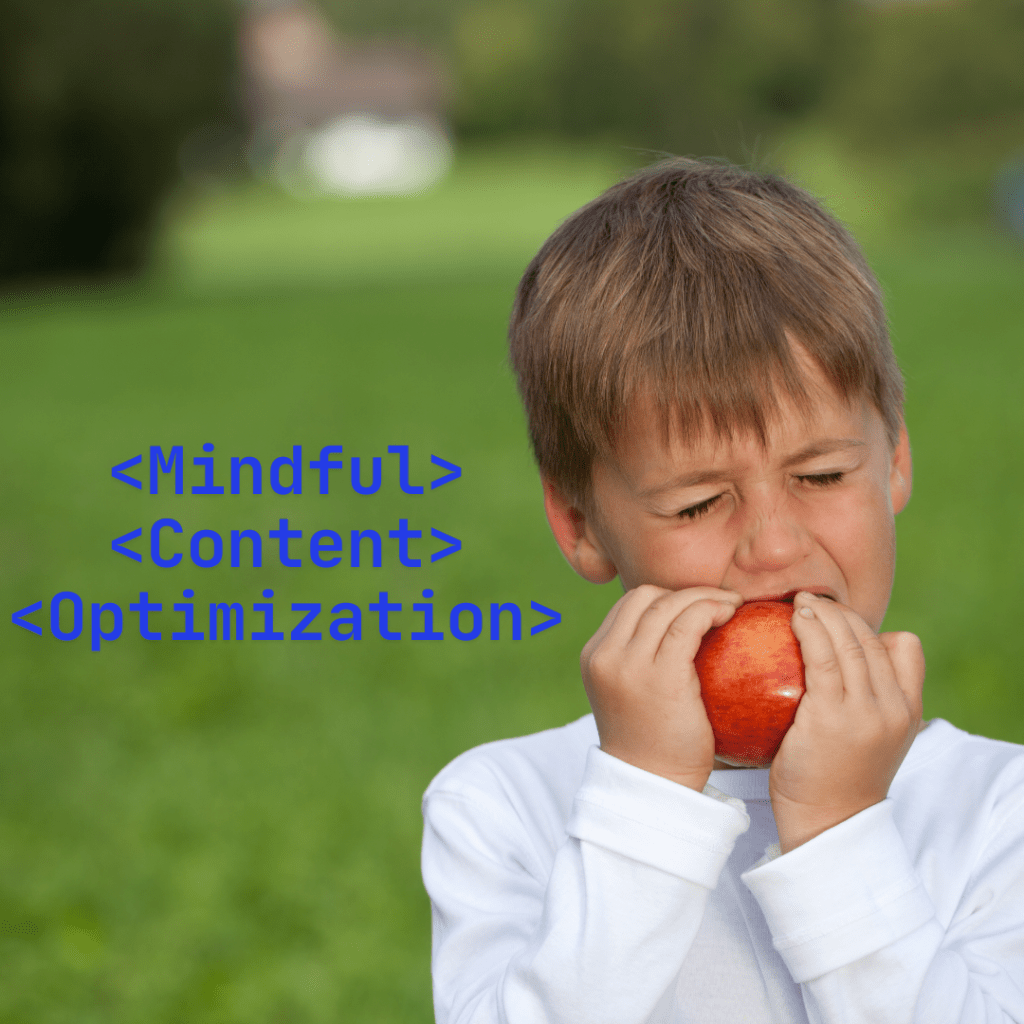
An average apple has just 94 calories.
Fifty grams of chips? 260 calories—and a dopamine rush.
A quick high now, a long regret later.
Just the other day, I had an interesting food cue, which is an urge to eat triggered by something in my environment. But this time, it was a healthy one.
I was video-calling a good friend while she was eating breakfast, peeling and munching on an apple. As I watched her, I suddenly realized that I had apples sitting in a fruit bowl on my table. They had been there for five days, untouched. But, right after the call, I found myself craving an apple, and that’s when it hit me:
Surround yourself with good content, and you’ll start craving it.
Mukbang: Our Guilty Pleasure
Mukbang has been a long-standing trend on TikTok and Instagram. People devour enormous amounts of junk food, often alongside food ASMR, sometimes barely chewing as they rapidly inhale their food.
For many—including myself—there’s something oddly captivating about it. It’s a mysterious kind of pleasure, almost as if I’m the one eating all that delicious food. But what feels harmless on the surface may have a deeper impact in the long run.
Research shows that even watching a 30-second TV ad or scrolling through social media photos and videos of tempting foods can trigger cravings. What’s more, increased exposure to food advertising, whether online or on TV, is linked to higher calorie intake over time. It’s clear: the more you see it, the more you want it.
Why do we crave a burger instead of a salad?
Dr. Uma Naidoo, an instructor in psychiatry at Harvard Medical School, sheds light on why certain foods have such a powerful hold over us. These foods, often high in sugar and fat, stimulate the brain’s pleasure centers, specifically the dopamine reward pathway—the same pathway activated by street drugs like cocaine.
As dopamine floods the brain, we experience a surge of happiness and satisfaction, but only for a moment. Once the effects wear off, we’re left feeling down and craving more, creating a vicious cycle of consumption. Over time, frequent indulgence in junk food can lead to inflammation, low mood, and heightened anxiety.
Of course, these cravings are influenced by various factors. Stress, boredom, lack of sleep, hormonal fluctuations, and dietary habits shaped by one’s environment all play a role. However, there are factors within our control—like the constant exposure to food images and videos on social media, as well as the powerful advertising strategies of the food industry. While the food industry and influencers won’t stop promoting indulgent, unhealthy foods anytime soon, we have the power to manage what we consume, at least in terms of content.
Then, I started imagining a different spin on this trend. What if someone peeled and enjoyed a juicy orange, or prepared a fresh salad while eating with us? I know, it sounds a bit weird, doesn’t it? It doesn’t quite hit the same dopamine high.
Mindfulness
Being mindful about the content we expose ourselves to is another good step towards our long- term well- being. We can choose to be surrounded by healthier influences.
Do you have something in mind?
 Alexandra Konstanti
Leave a comment