
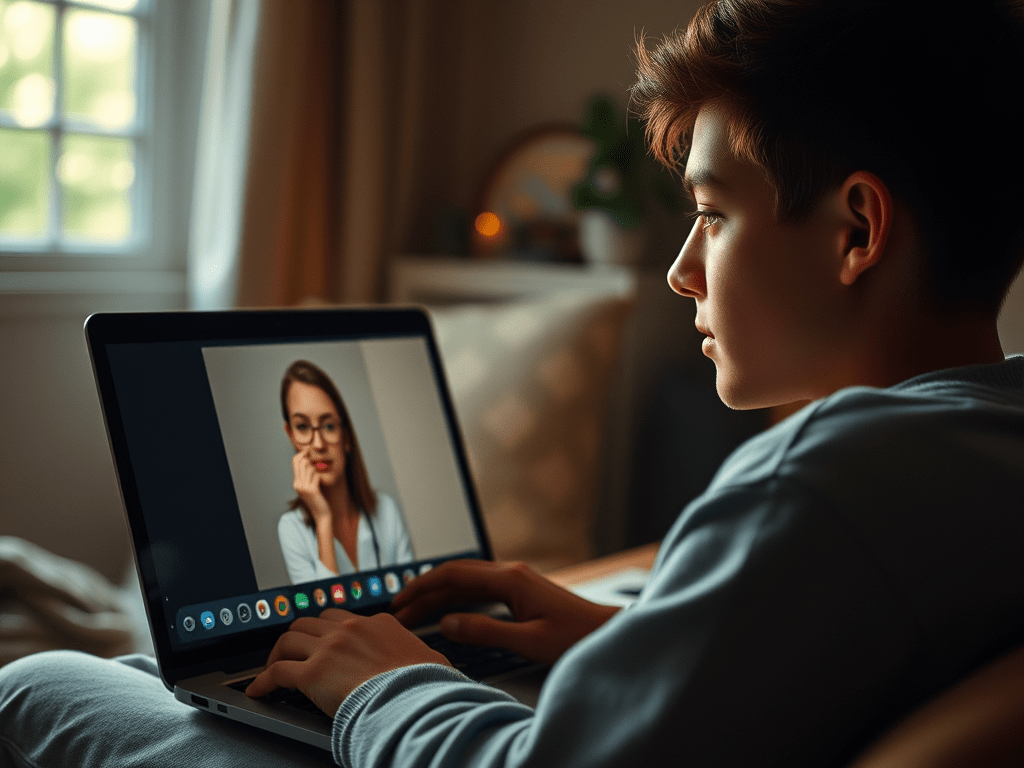
Since the mid-1990s, the infrastructure for virtual counseling had already been in place, but it was not until the COVID-19 pandemic that online therapy witnessed explosive growth.
Pre-pandemic, only about 10% of mental health professionals utilized virtual counseling regularly. However, the crisis brought a shift, pushing 55% of practitioners to conduct their work entirely online, while an additional 25% transitioned most of their sessions (60-99%) to virtual platform (The Data are in: Telehealth is here to stay).
As the world began to stabilize post-pandemic, virtual therapy did not simply fade away as a temporary solution. Instead, it solidified itself as a prominent, long-term option. Was it because it became something like a trend, or was it just because it has proven its value?
Research and the significant growth of online therapy point decisively to the latter. Online therapy has proven its efficiency and practicality. The pandemic forced people to take a leap of faith out of necessity, and the results turned in their favor. This “taboo” has been conquered.
Screens, a familiar place
AI is a huge deal right now. Technology, social media, virtual reality, screens, screens, and more screens are integral parts of our daily lives. How could therapy be any different, especially for younger generations like Gen Z? For them, digital communication feels more natural—perhaps even more comfortable—than traditional methods. Virtual therapy aligns seamlessly with this shift, providing a space that feels familiar and accessible.
Anonymity
plays a crucial role, especially for teenagers seeking mental health support. Many teens feel the need for help but are often scared or embarrassed to ask for it. The process of finding a therapist, reaching out, scheduling appointments, and attending sessions can feel overwhelming, almost like climbing a mountain. And after all that effort, if the therapist doesn’t feel like a good match, it can be disheartening.
However, the safety of interacting behind a screen provides a level of comfort. Teens can share their struggles more openly without the fear of awkward explanations to their family or being judged. Online therapy allows them to maintain a sense of privacy while accessing the support they need, making it a much more accessible and less intimidating option.
Accessibility
Geographical barriers no longer limit access to quality mental health support. Today, individuals can find the right therapeutic match from anywhere in the world, with language barriers becoming a thing of the past. Many online counseling platforms now offer services in multiple languages, ensuring that clients can communicate comfortably with their therapists in their mother tongue. Gone are the concerns about travel time, physical discomfort, or the additional expenses of in-person sessions. People with social anxiety and physical disabilities can access mental therapy without navigating hardships. With just a click, the therapist is readily accessible, providing a more convenient, global, and flexible approach to mental health care.
BetterHelp and HiWell: Two Well- known Online Counseling Platforms
These factors advocated for the expansion of telehealth. Let’ s get a closer look now to where this has led. Many online platforms have emerged alongside existing ones, making our lives much easier. Platforms that have comprehended the growing demand for a variety of available good therapists that can be on-screen at a convenient time, from anywhere in the world, speaking the language of our hearts.
In my research, I looked at two notable platforms, one of the oldest and one of the most recent: BetterHelp, the third oldest and the world’s largest online platform for therapy, that was launched in 2013 in the US and HiWell, founded in 2019 in Turkey, that quickly gained traction due to its rapid response to the surge in demand for accessible therapy around Europe.
Both platforms represent the massive evolution of teletherapy and its ongoing expansion, which shows no signs of slowing down.
User Onboarding and Personalization
BetterHelp begins its onboarding with a detailed questionnaire designed to assess user needs and preferences. The platform stands out by asking users about their expectations from therapy and how they prefer to communicate (e.g., video, audio, or text). Additionally, I liked that BetterHelp allows users to choose specific characteristics for their therapist, such as gender and qualifications (including LGBTQIA+ and religious preferences). This adds a personalized feel, helping users feel understood from the outset. HiWell also offers a personalized experience offering more visual engagement, such as showing the therapist’s profile photo, and their scientific background, which can make users feel more connected. Additionally, HiWell has found a golden solution for this difficult phase of choosing the right therapist. It offers up to 10 trial sessions (15 minutes each) with different therapists, allowing users to match with someone that fits their needs before committing long-term.
Special Features and Accessibility
BetterHelp supports a wide variety of languages, including Japanese, Hindi, Swahili, and Arabic, when there is availability of therapists that speak these languages. The platform, however, offers a large pool of therapists (over 33,000) and provides users with the opportunity to switch therapists if they are unsatisfied with their match. HiWell offers a smaller range up to 1, 400 therapists. Interestingly, however, it focuses on a strict selection process for its therapists, with only 15% of applicants being accepted onto the platform, which helps build greater trust among users. It has a good language offering, primarily focused on European languages like Greek, Italian, Romanian, French, Turkish, Spanish and Portuguese. I liked that HiWell offers psychological tests for anxiety, stress, depression, and PTSD, which are helpful tools for users who want to self-assess their mental health before seeking help.
Pricing and Financial Assistance
BetterHelp charges around €60 per week for a 30- 45-minute session, billed every four weeks, which includes weekly live sessions and unlimited messaging. For those who find the cost prohibitive, BetterHelp offers financial aid to eligible users, a significant advantage for individuals struggling with affordability. HiWell charges €43 for each 50-minute video session. It also offers discounts for users who purchase multiple sessions upfront, making it more affordable in the long run for individuals who prefer longer-term therapy plans. Additional discounts are also available through discount codes, which users can find from various influencers and bloggers who promote HiWell’s services.
Striving Toward Better Mental Health
The rise of online therapy platforms like BetterHelp and HiWell marks a significant shift in how mental health services are accessed and delivered. These platforms are not just a response to the great challenges of a pandemic; they are a testament to how technology has adapted to meet the evolving needs of people in an increasingly digital world. Both platforms offer personalized, flexible, and cost-effective solutions, ensuring that therapy is accessible regardless of location, language, or financial situation.
Whether someone is looking for convenience, anonymity, or a broader range of therapist options, platforms like BetterHelp and HiWell are proving that remote therapy is not just a trend—it’s a vital, proven solution for modern mental health care.
Ultimately, these platforms have opened the way for a world where seeking help is easier and more comfortable, bringing individuals closer to the goal of good mental health from wherever they are.
What do you think?
 Alexandra Konstanti
Leave a comment