
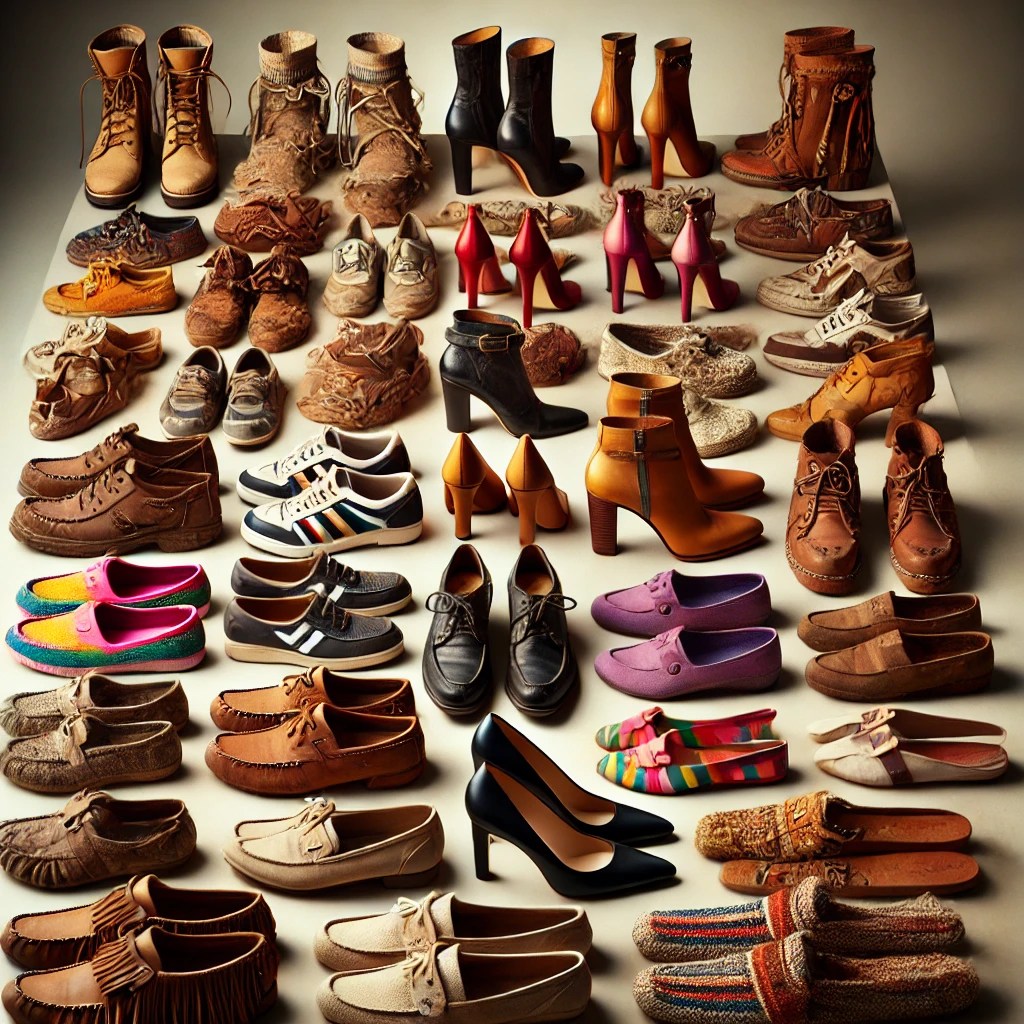

The TV series The Lincoln Lawyer inspired this piece, specifically a phrase from the fierce and insightful counselor Andrea, mentoring her second chair on her choice of heels: “Wear shoes you can run the world in.” It struck me—shoes are far from simple objects. If they’re narrow, they cause pain; too big, and you can’t walk. Watching Lorna Crane, the witty second chair of the protagonist Mickey Haller, pace around in four-inch heels (an instant source of sympathy pain!) reinforced the idea. Shoes symbolize gender, status, class, personality, aesthetics, and politics. From Japanese geta and zori to moccasins, stilettos, and clogs, each style tells a story. How did these iconic designs come to signify so much?
The Japanese Footwear
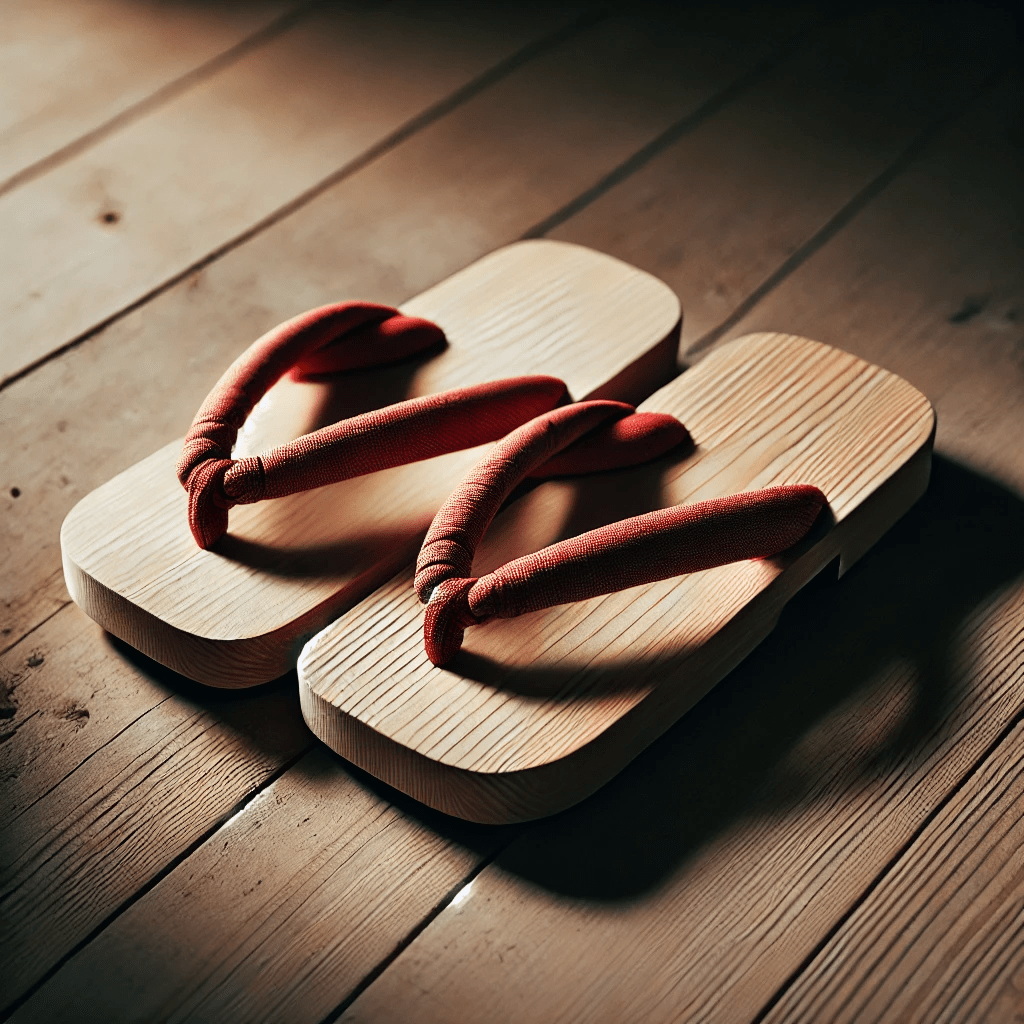
Japanese geta is the wooden sandals which resemble both clogs and flip flops. They were introduced for practical purposes. They gave a height to the person wearing them and prevented the kimono from touching the ground and becoming dirty. The merchants of sushi wore them so that there was no way their feet touched the fish scraps on the floor. Additionally, taking into consideration the Japanese custom of taking the shoes off while entering a house, geta were very convenient taking them on and off.
Later, during the feudals’ ruling in Japan, geta have become an indicator of power and status, therefore couldn’t be worn by anyone. High ranking courtesans wore them on specific occasions without tobi, the traditional Japanese socks for geta. Geishas and maikos (apprentice geishas), however, had to always wear tobi with their geta.
Nowadays, modern versions of geta are invented. Zori sandals are another version, a round one while geta are squared. Women’s zori always have a heel, while men’s are flat and they can also be worn barefoot.
African sandals and boots
On the other hand, history shows that African people, back in time, went barefoot. It was- as archaeological evidence suggests- the interaction with the Greeks, Arabs and Europeans, that introduced them to this functional item. Sandals suited to the African climate were crafted from natural elements like leather, wood, and rawhide, though their cost made them exclusive. Nigerians became known for high-length boots used in camel or horse riding, while in Ghana, the king’s feet were royal and not supposed to touch the ground, so shoes were a symbol of reverence.
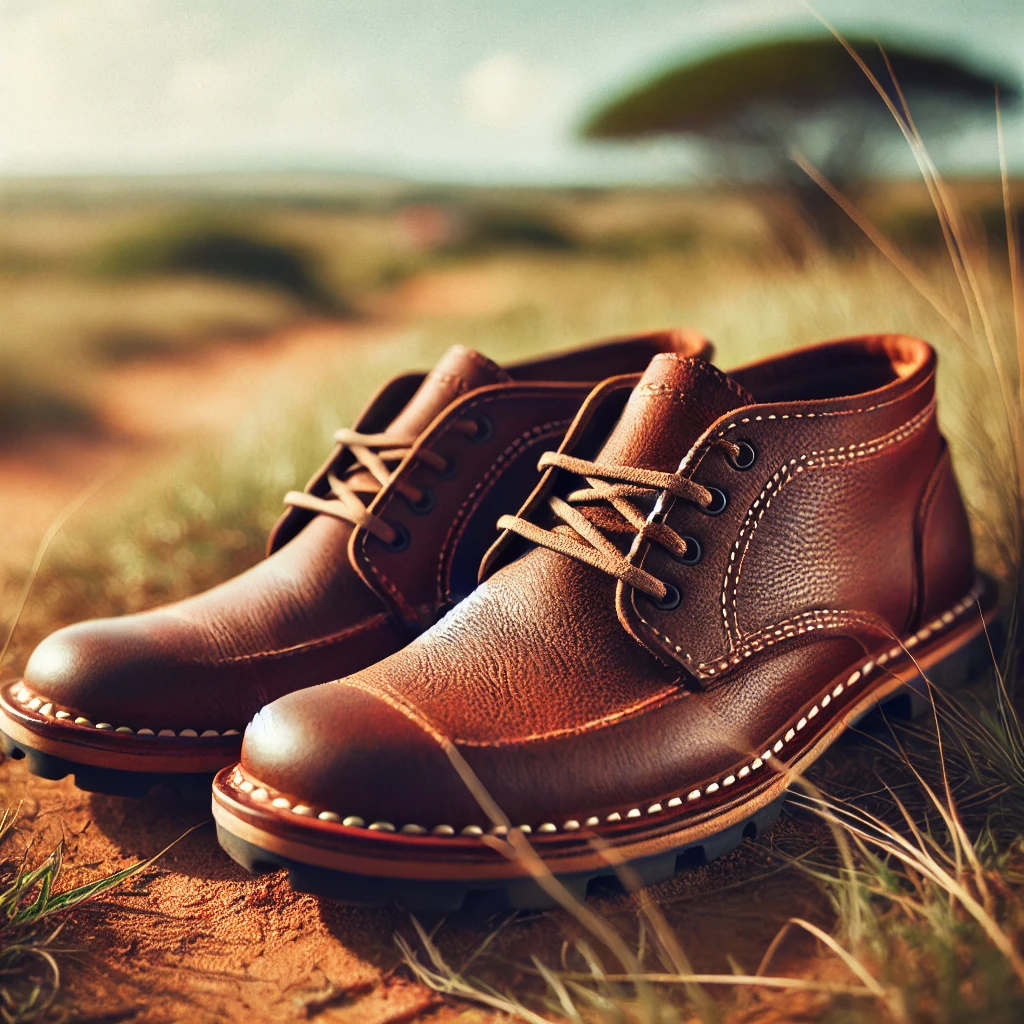
I’ ll never forget, visiting Zanzibar, people wearing car tires as shoes —an influence on today’s veldskoen, traditional Southern African shoes made from tanned leather or rawhide with car-tire soles. During apartheid, South African miners repurposed Wellington boots as a tool for resistance through the “Gumboot Dance” (isicathulo), communicating in coded taps and thuds. These boots, initially chosen as a cheap safeguard for miners, evolved into a symbol of solidarity amid harsh conditions, creating a “silent Morse code” in the mines.
Moccasins in North America
Moccasins, traditionally worn by Native American tribes, were crafted from soft leather, with the uppers wrapped around the foot from underneath. The story of this type of shoe, though, travels back to 5, 500 years ago in Armenia.
Back in America, in California, people generally went barefoot, reserving footwear for colder periods or long journeys. Moccasins were common in the North and Central regions, while sandals were preferred in the South. Originating from the Algonquian word mocússinass, moccasins were primarily made from deerskin, though moose hide was favored for its durability. Over time, moccasins evolved, incorporating modern shapes and intricate beadwork.
Some fun facts now: European colonists showed little interest in adopting Indigenous clothing styles. Yet, native footwear was remarkably simple and practical. In 1936, G.H. Bass introduced the Weejun shoe, a slip-on with a distinctive puckered toe that became a staple in American fashion. Though “Weejun” suggested a tribal connection, it was actually a nod to “Norwegian,” with the brand claiming Scandinavian heritage. Interestingly, the Norwegian “Tese Shoe”, popular since the early 1800s, appears to have roots in Iroquois (northern native American union) design. Thus, despite efforts to distance the style, the penny loafer has undeniable Indigenous influence.
Clogs, made in EU
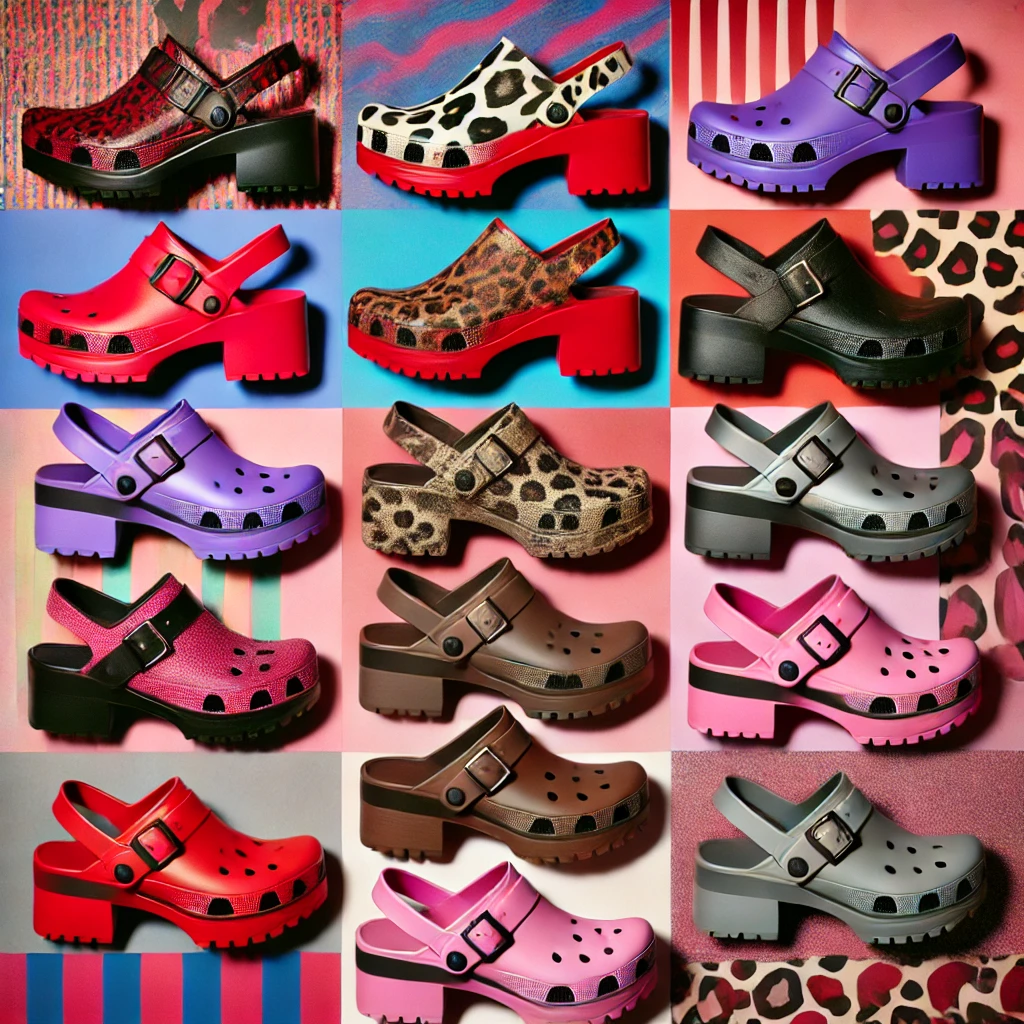
Clogs, rooted in the Dutch klompen from medieval times, were durable wooden shoes worn by men and women, ideal for work in construction, mines, and farms. Once a symbol of the working class, this shoe type astonishingly evolved into many forms, even becoming an avant-garde fashion statement. The klomp design traveled to Italy, inspiring the zoccoli, and to Japan, resembling the Japanese geta. By the 1920s, wooden-sole clogs became popular with women, featuring satin tops or even rhinestone-decorated spike heels. If modern mules or embellished plastic Crocs come to mind—you’re absolutely right!
Material variations, like cork heels, also appeared, and clogs went from a low-class staple to a symbol of casual, urban style, reaching high fashion with designers like Chanel and Gucci. What more could a shoe ask for?
Heels not made for walking!
High heels originated in Persia, designed for wealthy men to gain height and aid in riding, as the heels secured their feet in the stirrups. When Persian royalty introduced this style to France in the 17th century, it spread widely. For men, wearing heels signaled wealth and leisure—proof they didn’t need to work or walk far. Gradually, heels gained popularity among women in the courts, hinting at social benefits. As heels altered the female silhouette, they became linked to sexuality, and that was when men eventually abandoned them.
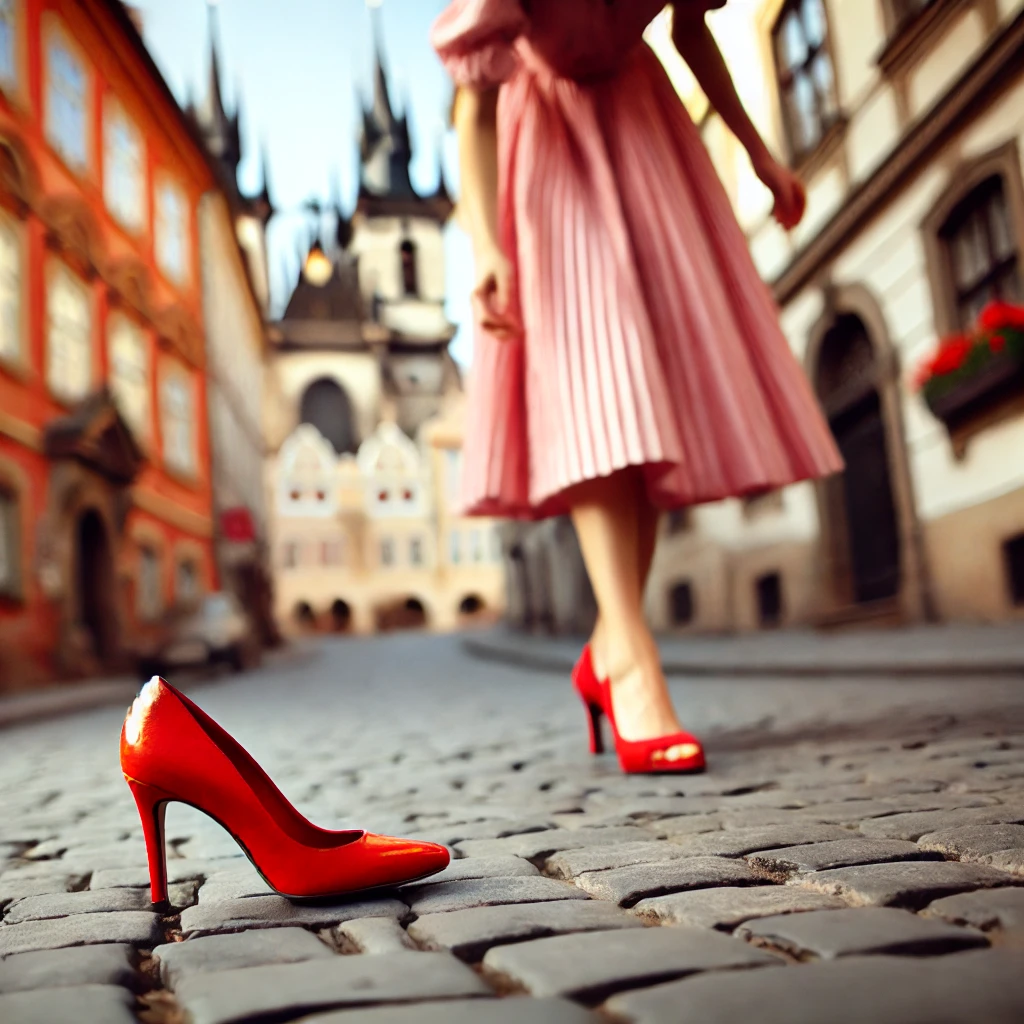
By the 1800s, heels were ubiquitous among women of all classes. Even laboring women felt pressure to wear heels to appear sufficiently feminine. Despite warnings from doctors about the potential for lasting foot damage, many women continued wearing heels, especially at work or formal events.
This symbolic power of heels is still on, and generations—till millennials at least—have somewhere deep within them the image of Cinderella’s shoe, the very high heel that won over the prince!
Your Kind of Shoe
Like all human creations, shoes reflect our history, evolving with our needs, creativity, and societal perceptions. Initially crafted for practicality, cleanliness, and health, shoes have long symbolized status, with their cost marking social class. Throughout history, the wealthy have paired high-class attire with equally refined shoes—a mindset that endures, though blending chic style with urban comfort is now more common. But still for many, professionals are regarded super elegant, yet more capable and strong, when their suit goes with a nice pair of Oxford shoes, and women are perceived more powerful, while feminine when wearing a classy pair of heels.
The phrase “Wear shoes that you can run the world in” resonates strongly with me. Fashion constantly tempts us with trendy shoes, promising status and confidence, while endless content urges us toward “ideal” choices. Yet, not every shoe is for everyone—our fit changes with time, just as our identity does. People can exude authority, even in flip-flops.
So, what kind of shoes do you run your world in?
 Alexandra Konstanti
Leave a comment