
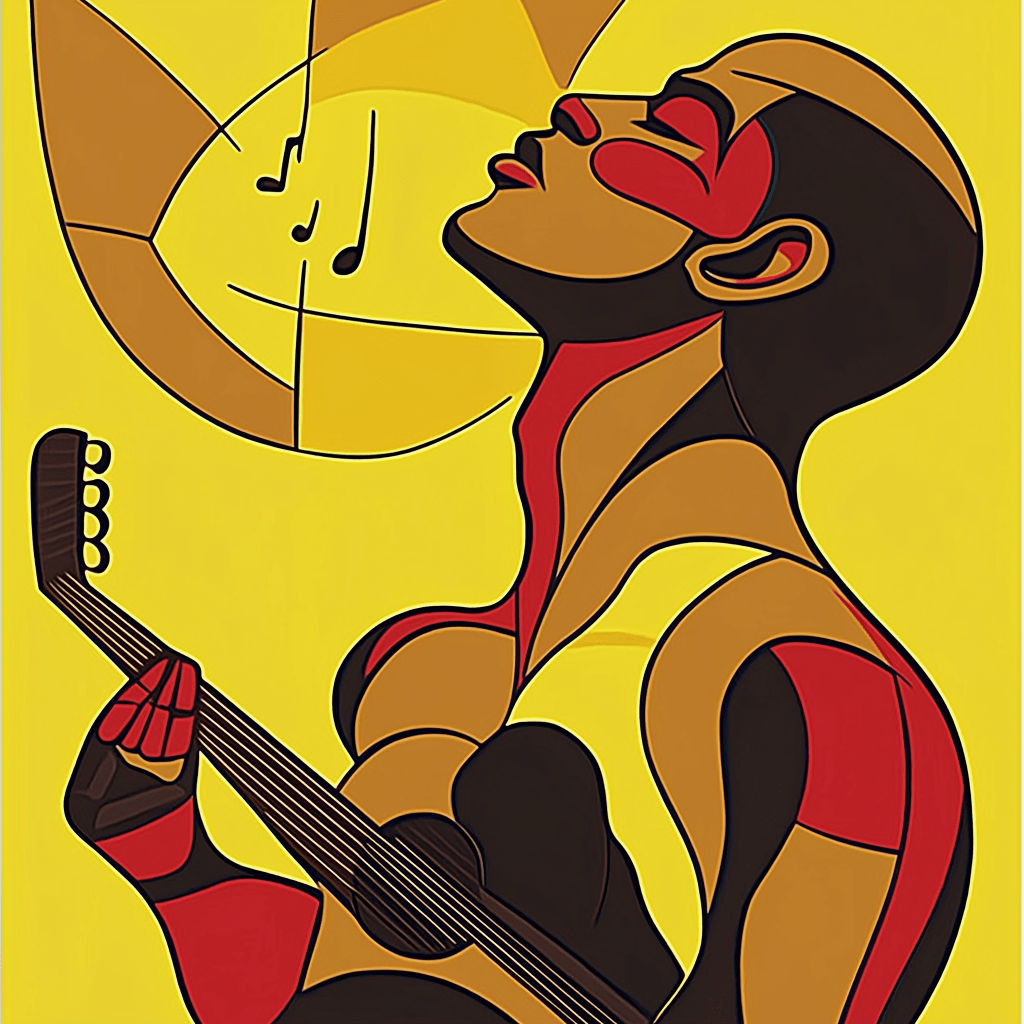
Rich Homie Quan, the famous American rapper, was found dead on September 5th this year, at only 34. Amy Winehouse, never made it to 28, her life cut short by alcohol poisoning. Kurt Cobain, discovered days after his tragic suicide, left us at 27. Each of these artists was more than just a musician—they were storytellers whose lives and lyrics resonated deeply with millions.
In their absence, their impact lingers in new ways. Searches for Rich Homie Quan’s music skyrocketed by an astonishing +11 million percent after his death, as old fans and new listeners delved back into his work. Amy’s Back to Black became the best-selling album of the 21st century in the UK after she passed. And Kurt Cobain? Fans and analysts alike have combed through his lyrics, hoping to catch glimpses of the inner battles he never fully explained, the struggles he wore openly but left unfinished.
So, why this fascination? Why does our connection to these artists intensify so powerfully after they’re gone? Maybe their passing pulls at us because it brings a haunting sense of what might have been. Maybe it stirs our own memories of loss. Revisiting their music is our way of keeping them close, a way to touch a presence that feels even more precious now. Their music becomes a piece of them we can hold on to, reminding us that although they’re gone, they’ve left a piece of their spirit behind.
And for many, there’s a need to search for something more—to find hints of the battles they faced, clues hidden in lyrics we might have overlooked. Maybe, as listeners, we’re looking for answers, trying to understand why they left us so soon. Or maybe we’re connecting to them in a deeper way, reminding ourselves that life’s struggles, beauty, and pain are something we all share.
In a way, their music gives them a kind of resurrection.
Lyrics that Resonate
Kurt Cobain: The Voice of a Generation
“If my eyes could show my soul, everyone would cry when they saw me smile.” Kurt Cobain
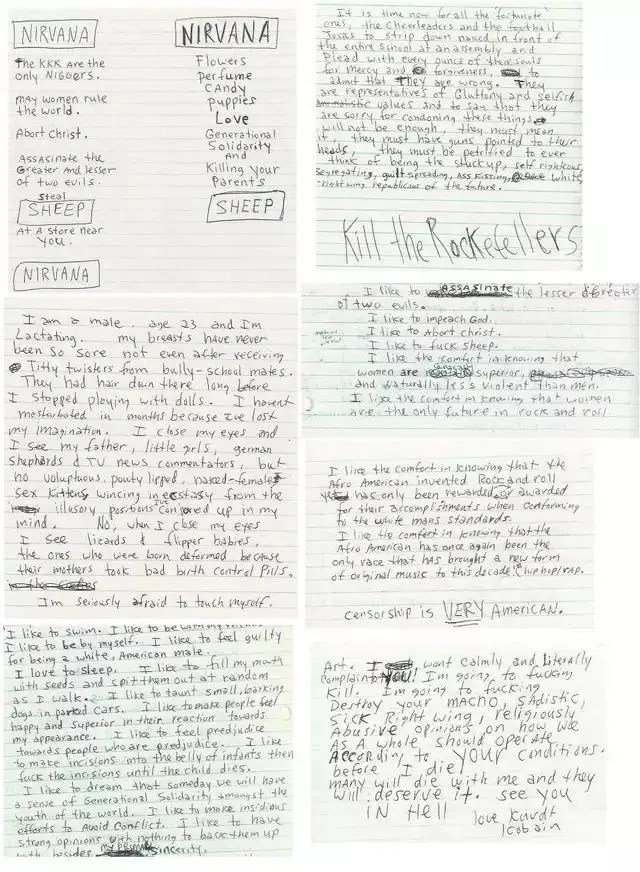
The singer and songwriter for Nirvana, was often called a “weird dude,” but his ability to capture raw emotion was pure genius. Anger, sadness, bittersweet nostalgia, defiance—they all poured through Nirvana’s songs, reaching deep into the dark, hidden corners of his listeners’ psyches. Cobain gave voice to the unspoken pain of his generation. Songs like “Smells like Teen Spirit“, “Come As You Are“, “Lithium” left a mark on an entire era. He wasn’t afraid to call things as he saw them or to “vomit out” emotions others buried. After his death, fans only became more fascinated with his work, analyzing his lyrics for lines that might suggest his inner battles. Cobain’s music, filled with alienation and resistance, connected deeply with fans who felt similarly at odds with societal norms.
After his death, Cobain’s friend Eric Erlandson kept his journals. Jim Barber, a former music executive and Courtney Love’s manager, described these notebooks as “a manual about how to be a rock star.” The fascination with Cobain’s life has outlived him, prompting documentaries, books, and a cult following that view him as the quintessential “tortured artist.” He remains an icon of the grunge era, a voice for those grappling with mental health, identity, and meaning in a world that often feels disconnected.
Tupac Shakur: The Poet of Social Struggle

The Rose That Grew From Concrete – Tupac’s poem, tells a story of strength and perseverance in the face of hardship. Tupac, American rapper and poet, was an icon of both defiance and hope, giving voice to issues like systemic racism, poverty, and inequality that he experienced firsthand. Songs like “Keep Ya Head Up” and “Changes” resonated with people seeking understanding and solidarity. After his death in a 1996 drive-by shooting, Tupac’s fame only grew as fans searched his lyrics for insight into his personal and societal struggles.
He was seen as both a streetwise rapper and a reflective poet, a complex figure who symbolized the pain and pride of his community. Tupac’s posthumous releases, with previously unheard recordings, only added to his legacy. His fans felt connected to him like he was a prophet, speaking truths that still hit home today. His influence goes beyond music, reaching into activism, literature, and pop culture, where he’s celebrated not just as a musician but as an icon of resilience and honesty.
More Artists with Legendary Influence
Amy Winehouse’s soulful music, with lyrics that exposed her battles with love, addiction, and vulnerability, has continued to touch fans who mourned her in 2011. Her voice, filled with depth and pain, established her as one of the most unforgettable jazz singers.
Jimi Hendrix, whose groundbreaking electric guitar style has only gained influence, is studied by fans and musicians alike for his innovative approach.
John Lennon’s messages of peace and love, expressed through his work with The Beatles and solo, have become lasting symbols of the counterculture movement and still echo in today’s political landscape.
Jeff Buckley, an American songwriter, singer and guitarist, didn’t live to see his only album “Grace” listed among the best albums of all times. His blues, alternative rock music is echoing in my ears through times.
Chester Charles Bennington‘ s death was devastating news to people who loved him and the band Linkin Park. Bennington had a magically warm voice which expressed the wide range of human emotions. The fans still haven’t come to terms with his death and are opposing to the decision of the band to get a new woman singer. Noone seems to measure up to Chester’s figure.
Art in Processing Loss
As research shows, art can be therapeutic in times of grief. A 2018 study on art therapy found that creating art helps people cope, giving them ways to understand their loss and preserve their loved one’s legacy. Through art, we find a timeless pathway to navigate loss, remember, heal, and even celebrate those we’ve lost.
Music, especially, bridges the gap between presence and absence. It travels beyond time, place, or generation, cutting through thoughts and awakening emotions. For fans, listening to an artist’s music after their passing is like stepping into a space that’s both joyful and sorrowful, a place to remember, miss, and honor their impact on this earth. Through art, we keep finding pieces of those who are gone, realizing their influence endures, evolving with each listener. Art becomes a source of life, and a reminder that their voices are still here, guiding us, inspiring us, connecting us.
Who is the artist you’ve lost that still speaks to you through their work?
 Alexandra Konstanti
Leave a comment